Flood Modeling in Madhya Pradesh
For any industrial, infrastructure, or solar project in Madhya Pradesh, it is crucial to analyze flood risk through simulation software to mitigate damage to structures and ensure worker safety during peak rainfall and floods.
A flood model, including Flood Modelling for solar project, can provide inputs on risk mitigation, such as effective drainage solutions to overcome losses during heavy rains.
We specialize in Hydrology report for solar project, Hydrology survey, calculating Maximum rainfall Intensity, determining HFL (High Flood Level), and more.
FLOOD MODELLING USING HEC RAS – SIMULATION SHOWING WATER AFFECTED ZONES IN CASE OF PEAK RAINFALL AND FLOODS
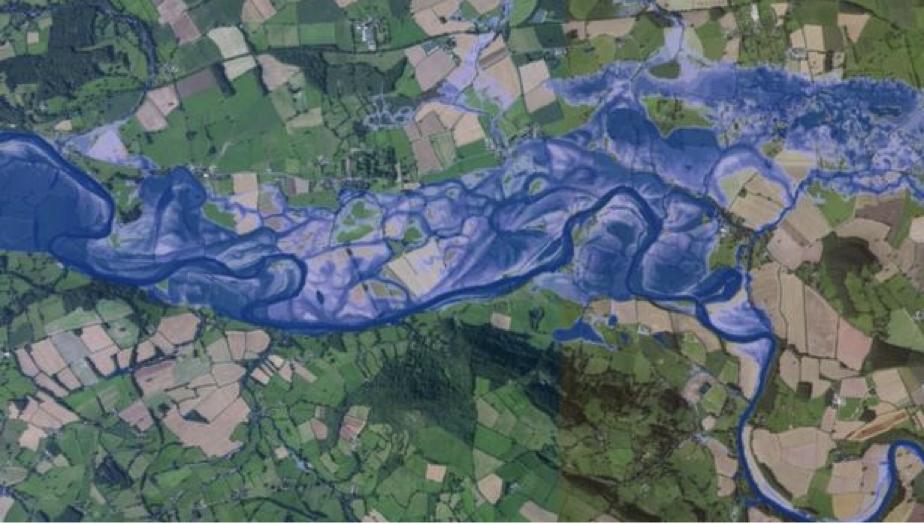
At Bhoojal Survey, we use digital terrain models with the latest software and technology, including meteorological data for peak rainfall analysis, geological studies for runoff calculation, and high-resolution contour maps to assess water flow and provide accurate flood models to overcome flood hazards in MP cities like Bhopal, Indore, Jabalpur, Gwalior, Ujjain, Sagar, Dewas, Satna, Ratlam, and Rewa.
Our key service areas include:
- 1. Dam failure impact assessment
- 2. Flood impact assessment and development feasibility
- 3. Catchment management studies
- 4. Floodplain risk management studies – damage and safety analysis
- 5. Flood mitigation option investigations
- 6. Flood warning systems
- 7. Historical flood analysis and stream gauging
- 8. Sizing major hydraulic structures such as bridges and culverts
- 9. Hydrographic survey
- 10. Urban and rural catchment flood investigations
- 11. 3D flood rendering and animation
Industrial Projects Done by Bhoojal Survey in Madhya Pradesh
Bhoojal Survey has successfully completed flood modeling projects for various industrial and infrastructure initiatives, including solar projects, across major cities in Madhya Pradesh. Our expertise in Flood Modelling for solar project, Hydrology report for solar project, Hydrology survey, Maximum rainfall Intensity, HFL, and High Flood level has helped mitigate flood risks for major clients. Some notable projects include:
- Flood risk assessment and modeling for a solar power plant in Bhopal, incorporating Hydrology survey and Maximum rainfall Intensity calculations to ensure site safety.
- Comprehensive flood simulation and Hydrology report for solar project in Indore, including HFL determination for urban infrastructure development.
- Flood impact analysis for a renewable energy solar project in Jabalpur, using advanced models to predict High Flood level scenarios.
- Dam failure and floodplain modeling for an industrial complex in Gwalior, aiding in emergency preparedness with Hydrology survey data.
- Flood mitigation strategies for a solar farm in Ujjain, utilizing HEC-RAS simulations to assess Maximum rainfall Intensity and runoff.
- Catchment management and 3D flood rendering for a manufacturing plant in Sagar, focusing on HFL and flood risk reduction.
- Hydrology report for solar project and flood modeling in Dewas, ensuring compliance and safety during peak rainfall.
- Flood warning system development for an infrastructure project in Satna, including calculations for High Flood level.
- Urban catchment flood investigations for a solar installation in Ratlam, with detailed Hydrology survey.
- Historical flood analysis for a renewable energy project in Rewa, predicting future risks based on Maximum rainfall Intensity data.
Flood modeling approaches include
Hydrologic modeling: Uses computer tools to analyze water flow in a river or stream system
Hydraulic modeling: Uses the results of hydrologic analysis to simulate water movement during a flood
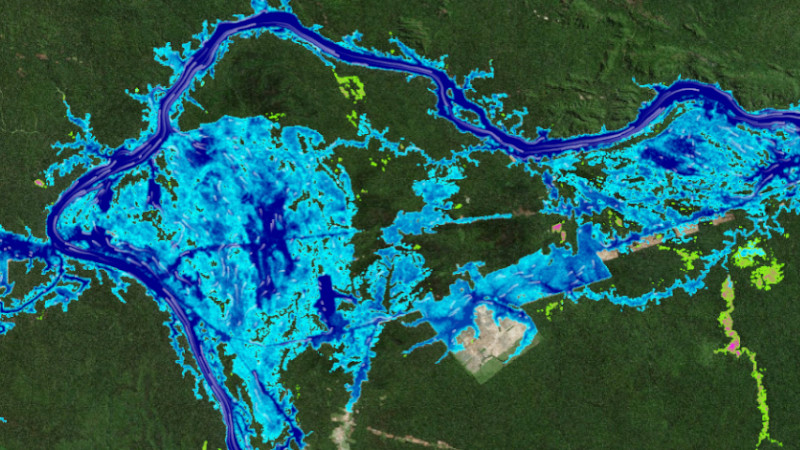
Flood modeling has evolved into a crucial instrument in the management of flood risk, assisting academics and professionals in comprehending and predicting the behavior of floods, as well as making defensible choices to lessen their effects.
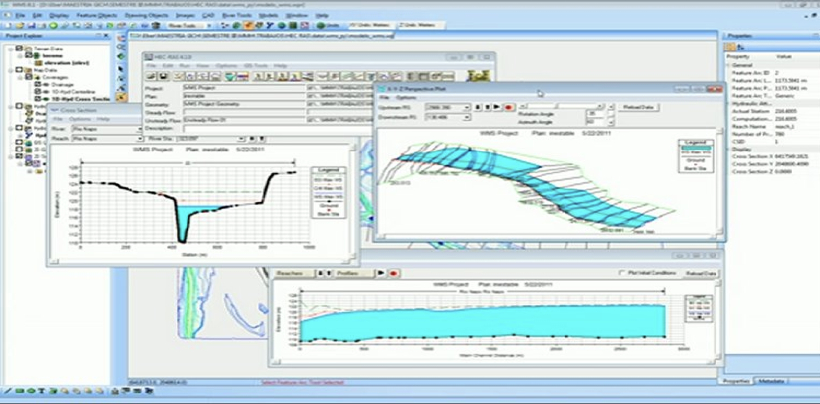
FAQs: Flood Modeling in Madhya Pradesh
What is flood modeling?
Flood modeling is the process of using computer simulations to predict the extent and impact of flooding in a given area. These models can forecast flood depths, velocities, and extents based on various input data such as rainfall, topography, and land use, including for solar projects in MP.
Why is flood modeling important for solar projects?
Flood modeling, including Flood Modelling for solar project, is crucial for disaster preparedness and mitigation. It helps in understanding flood risk, planning drainage, and ensuring the longevity of solar installations by considering HFL and Maximum rainfall Intensity.
What data is required for flood modeling?
Flood modeling requires various data inputs, such as: Topographic data, Hydrological data for Hydrology survey, Land use and land cover data, Soil type and infiltration rates, Meteorological data for Maximum rainfall Intensity.
How accurate are flood models?
The accuracy of flood models depends on the quality of the input data and the complexity of the model. High-resolution data and detailed models can provide more accurate predictions for HFL and High Flood level.
Can flood models predict flash floods?
Yes, some flood models are designed to predict flash floods, which are sudden and intense floods caused by heavy rainfall. These models require high-resolution temporal and spatial rainfall data and fast processing to provide timely warnings, essential for solar projects.
How long does it take to complete a flood modeling project?
The duration of a flood modeling project, such as Hydrology report for solar project, depends on the scope and complexity of the study. Simple assessments may take a few weeks, while comprehensive studies for large areas can take several months.
What is the cost of flood modeling services?
The cost varies widely based on the project's scale, data requirements, and complexity. It's best to request a quote from the service provider to get an accurate estimate for services like Hydrology survey.
Can flood modeling help with climate change adaptation?
Absolutely. Flood modeling is a critical tool for understanding and adapting to the impacts of climate change. It helps identify areas at increased risk due to sea level rise, increased rainfall intensity, and other climate-related factors, including for industrial projects in MP.
Do flood models consider the impact of infrastructure like dams and levees?
Yes, advanced flood models can incorporate the effects of infrastructure such as dams, levees, and drainage systems. These models can simulate how such structures influence flood behavior and risk, crucial for determining High Flood level.